Ritual of Morning Green Tea in Uji: Craft, Water, and Stillness
Exploring how eight centuries of disciplined agricultural mastery along the Uji River embody the essence of tea ritual.
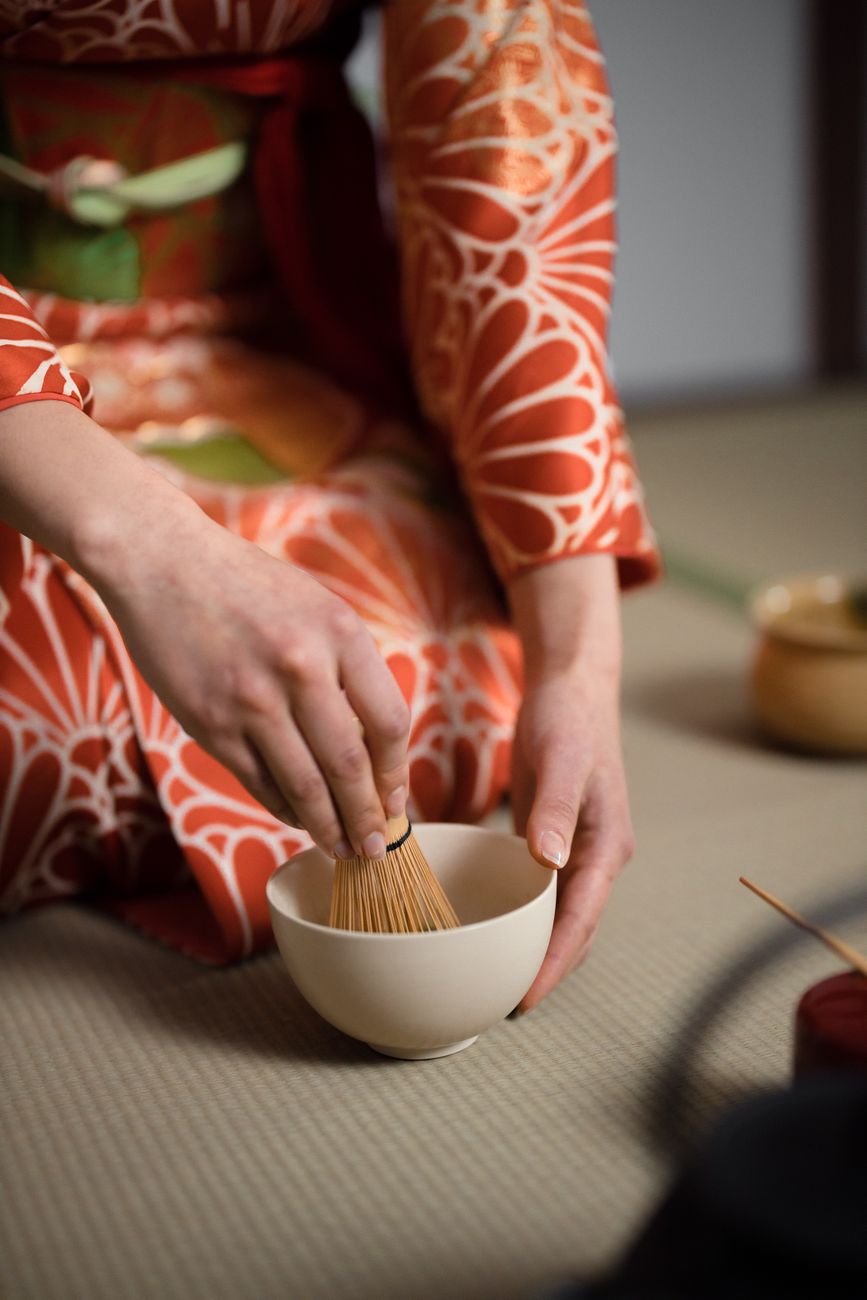
Table of Contents
Before dawn breaks across southern Kyoto Prefecture, a dense river mist rolls off the Uji River, blanketing terraced hillsides that have produced Japan’s most revered green tea for more than eight hundred years. Here, agriculture is not merely an extraction of commodities; it is an intimate seasonal dialogue between soil, shading reeds, and deliberate human patience.
1. The Microclimate of the Uji Basin
The geography of Uji provides an exceptional microclimate for Camellia sinensis. Cool mountain air collides with the warm moisture rising from Lake Biwa runoff, creating persistent morning fog that shields tender spring shoots from harsh early ultraviolet rays.
We met with Master Sasaki, a sixteenth-generation tea grower whose family plots occupy mineral-rich alluvial soil along the eastern riverbank. Walking through the neat hedgerows, Sasaki explains how the mineral profile of local mountain spring water shapes the sweet amino acids (theanine) responsible for the coveted umami depth in ceremonial grade matcha.
2. The Art of Honzu Shading
Three to four weeks prior to the spring harvest, traditional growers erect elaborate wooden scaffolding over the tea bushes, covering them with hand-woven rice straw mats known as honzu. This labor-intensive technique blocks up to ninety-eight percent of sunlight.
Deprived of intense light, the tea plants compensate by producing intense concentrations of chlorophyll and theanine, deepening their leaves into a brilliant jade hue. The resulting harvest yields tencha of extraordinary delicacy, devoid of bitter tannins. It is a striking metaphor: true refinement emerges not from excess nourishment, but through disciplined restraint.
3. Temperature, Water, and Ceramic Mastery
The preparation of high-grade gyokuro or matcha demands equal precision. Water heated to a rolling boil is allowed to cool gradually through multiple ceramic cooling bowls (yuzamashi) until it reaches exactly sixty degrees Celsius.
Pouring scalding water over delicate tea leaves destroys their nuanced floral fragrance. Instead, when introduced to tempered spring water, the tightly rolled leaves slowly unfurl, releasing a rich broth that resembles savory ocean air and sweet mountain herbs. The vessel itself—an unglazed Bizen or rough-hewn Raku chawan—grounds the experience in tactile wabi-sabi aesthetics.
4. Cha-no-yu as Contemplative Architecture
In Japanese culture, the tea room (chashitsu) is an architectural sanctuary designed to level social status and cultivate absolute presence. To enter, guests crawl through a low nijiriguchi entrance, symbolizing humility and the intentional discarding of outside prestige.
Sitting on woven tatami, listening solely to the gentle hiss of the iron kettle (kama), one realizes that the ritual of tea is fundamentally about reverence for the singular moment—ichi-go ichi-e (one time, one meeting). It teaches the modern traveler that nourishment lies not in consuming more destinations, but in drinking deeply of the present.